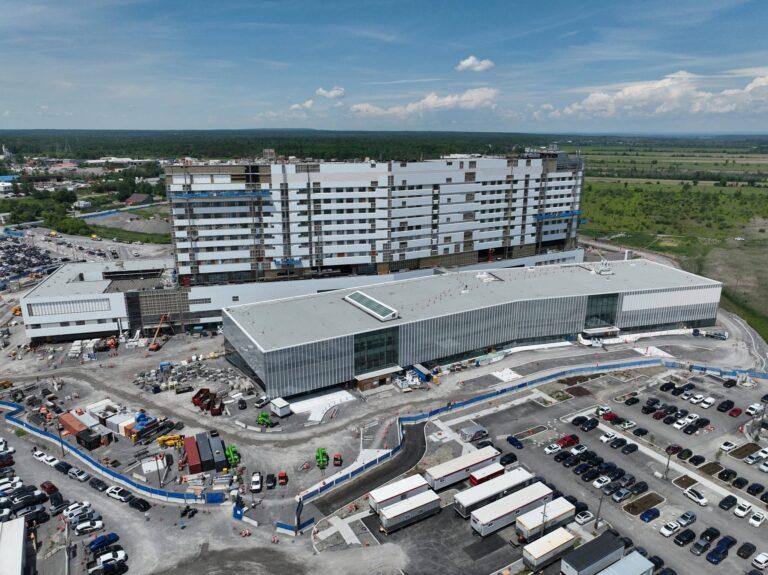
Biggest federal investment ever
Described as “the largest federal investment ever made in Vaudreuil,” the Canadian government announced a $211-million contribution to the construction of the Vaudreuil-Soulanges Hospital earlier this month.

Described as “the largest federal investment ever made in Vaudreuil,” the Canadian government announced a $211-million contribution to the construction of the Vaudreuil-Soulanges Hospital earlier this month.
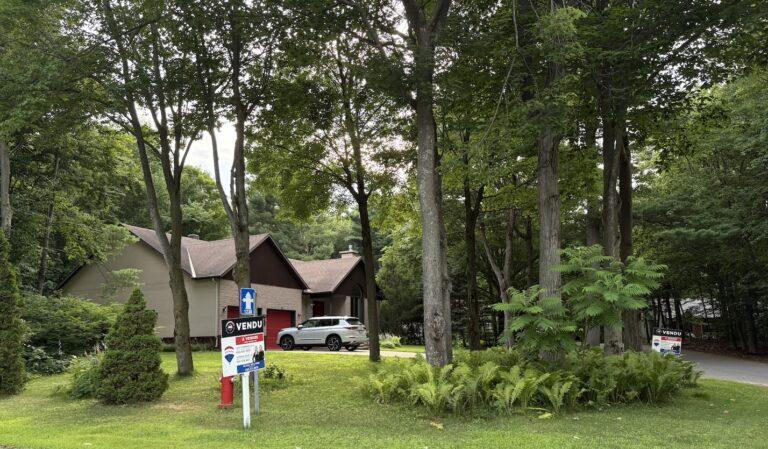
After hitting record-setting levels last year, housing prices in Vaudreuil-Soulanges have cooled somewhat in the first half of 2026, with the region emerging as the only area in Greater Montreal where the median selling price has dropped, according to the latest data from the Quebec Professional Association of Real Estate Brokers.
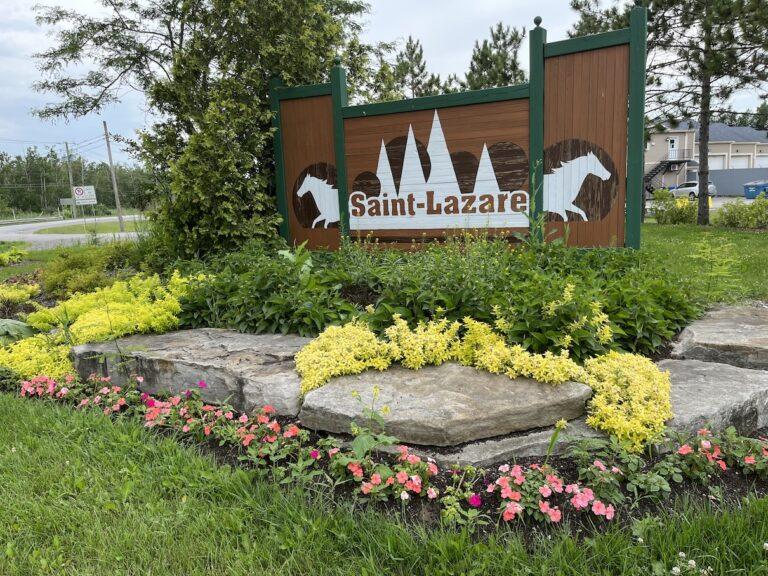
St. Lazare Mayor Geneviève Lachance invoked her power of veto last week after a majority of the town’s council refused to support a resolution to formally begin the process of looking into how the municipality could — or even should — regulate the use of electric scooters and other personal motorized mobility devices, a topic that has generated much public discussion this spring as the popularity of these devices has soared.
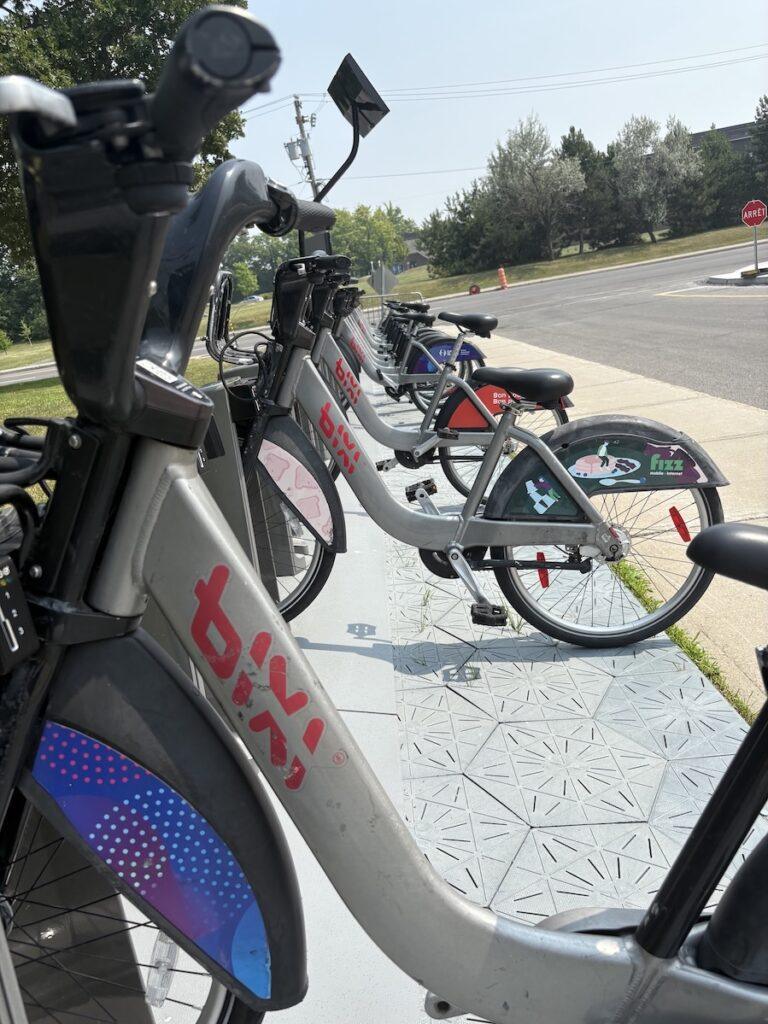
Plans are in the works for the popular Montreal-based Bixi bike-sharing service to expand to Vaudreuil-Dorion next summer, a move that will mark the service’s first expansion into the 1019 region.
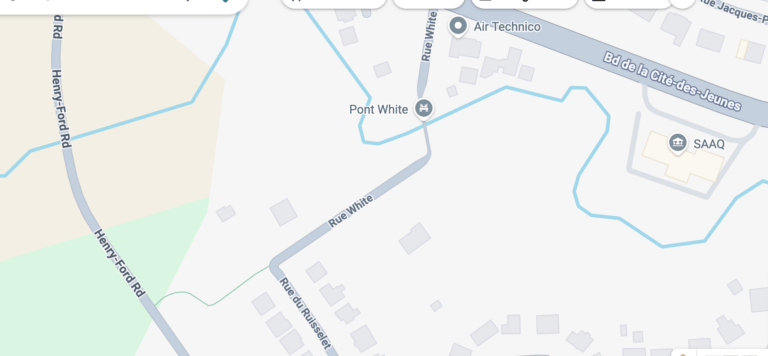
Residents of a quiet cul-de-sac in Vaudreuil-Dorion are worried a nearby forested piece of land could soon be turned into a large residential development, similar to what had been blocked seven years ago.
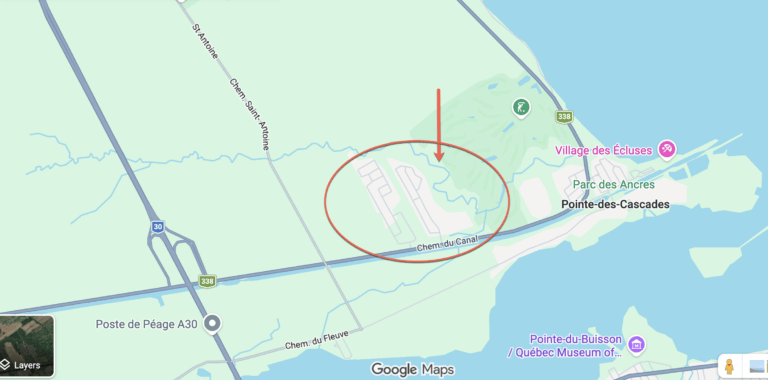
The town of Les Cèdres last week completed the installation of a temporary pumping system to direct wastewater from about 250 homes into its municipal sewer system, finally ending the practice of dumping it into a waterway.
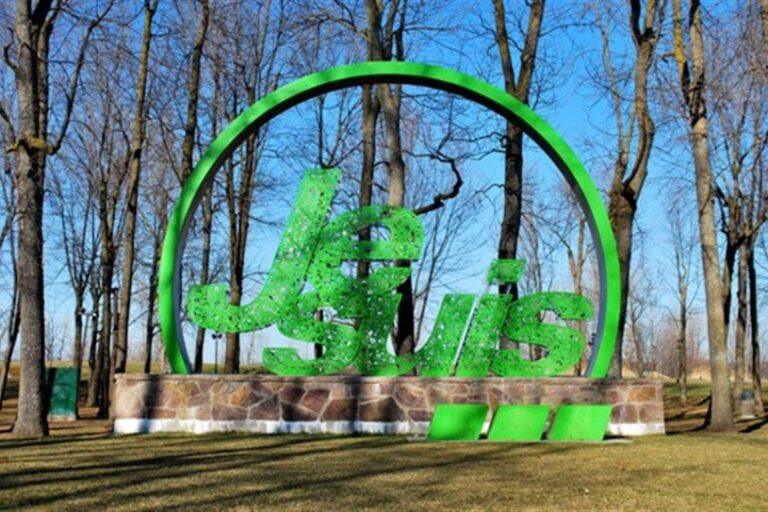
The City of Vaudreuil-Dorion will breathe new life to its former library, announcing it will turn into a new cultural centre.

Why do we keep trying to jam square pegs into round holes?
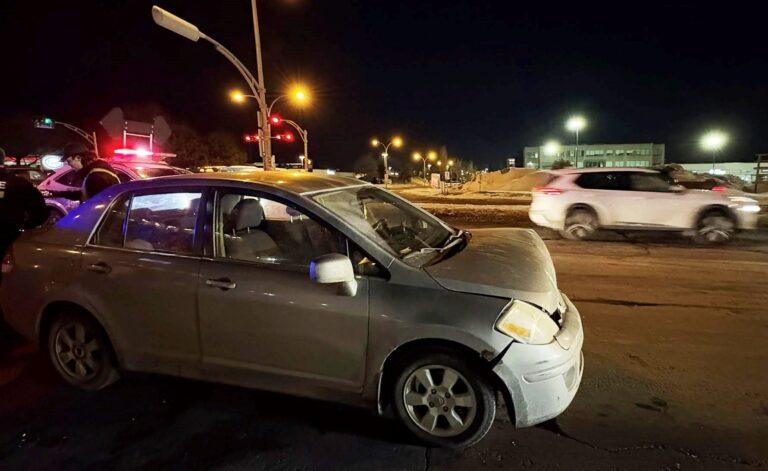
A total of 371 people died on Quebec’s roads last year, according to the Société de l’assurance automobile du Québec’s Bilan routiere 2025 released last month — with nine of these fatalities recorded in the Vaudreuil-Soulanges region.
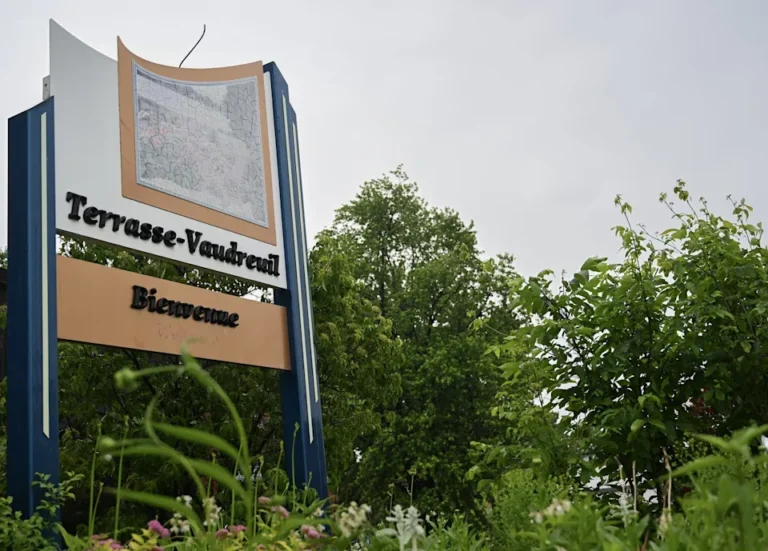
The small town of Terrasse Vaudreuil has been making headlines across Quebec, Canada and the globe this past month, following its novel move to recognize the rights of trees on its territory.